สำนักงานความร่วมมือระหว่างประเทศ



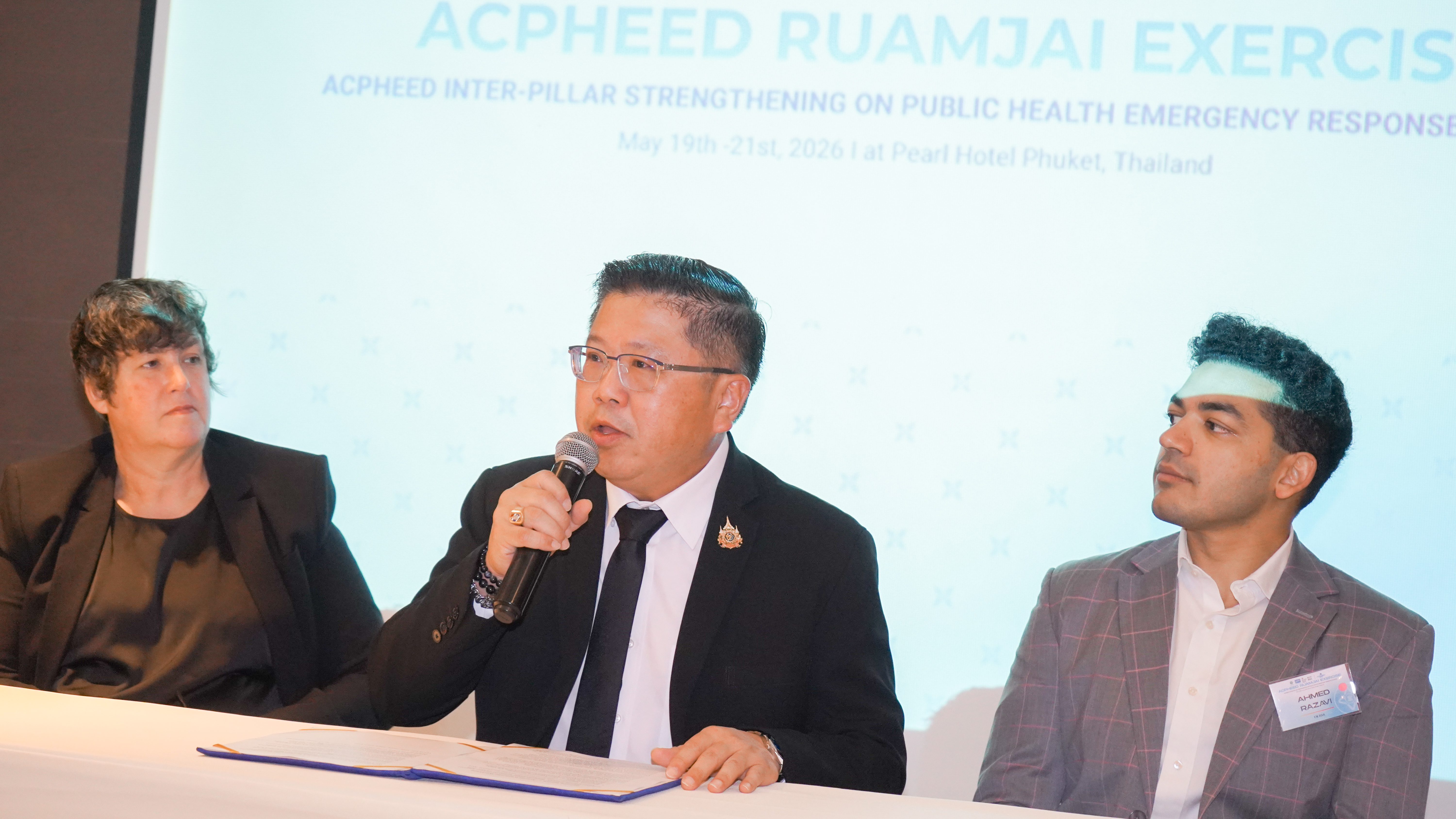
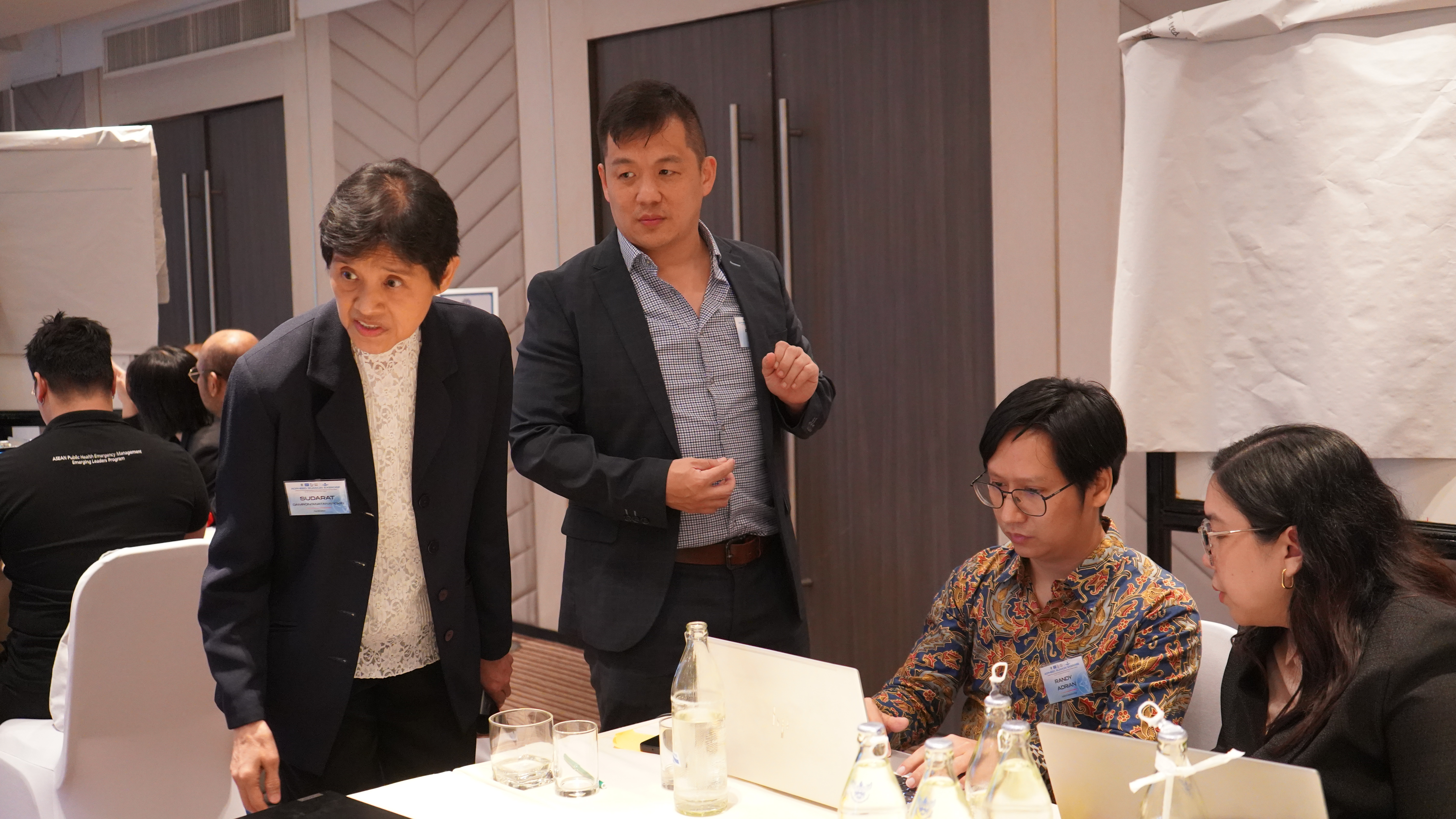
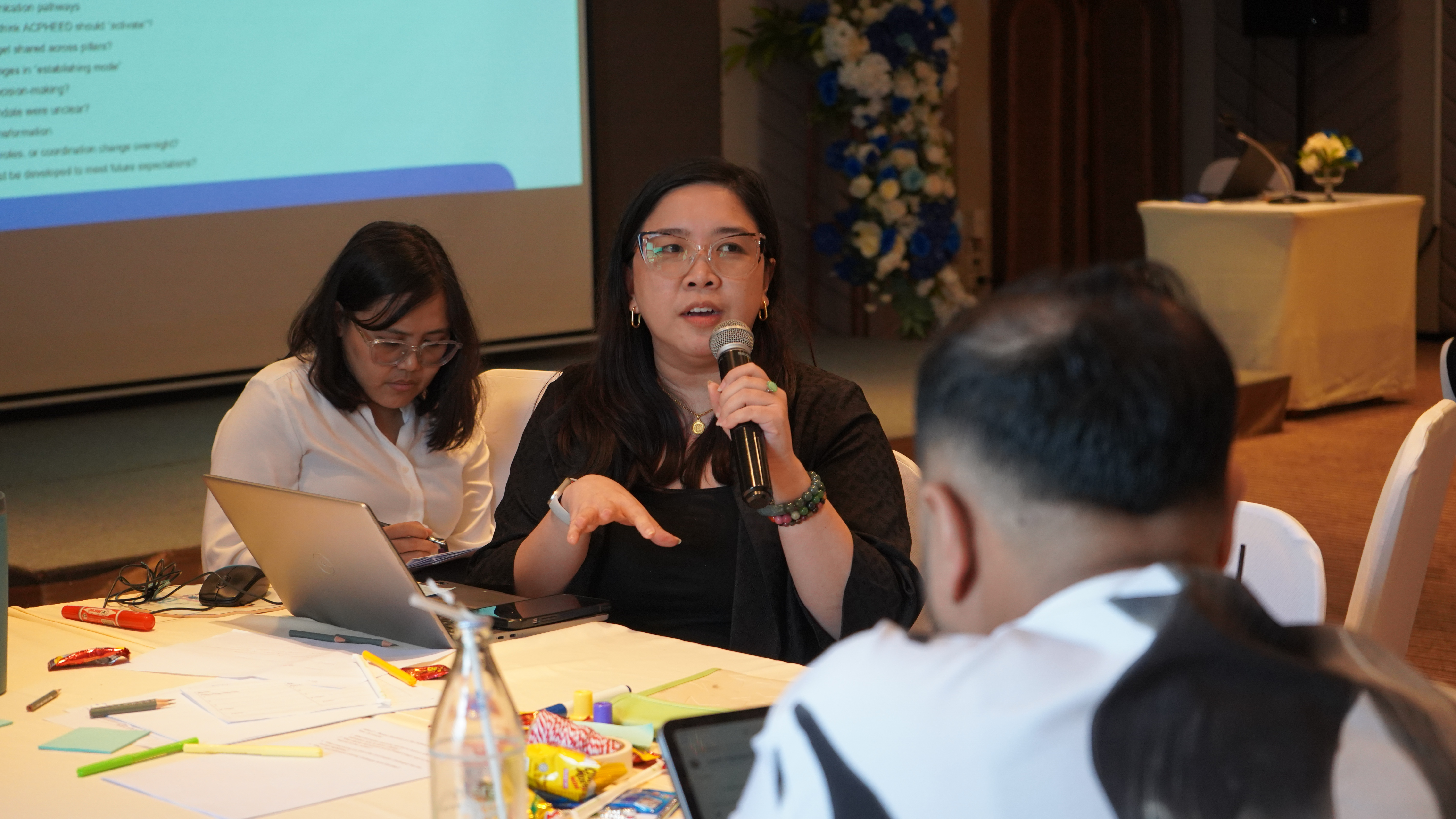
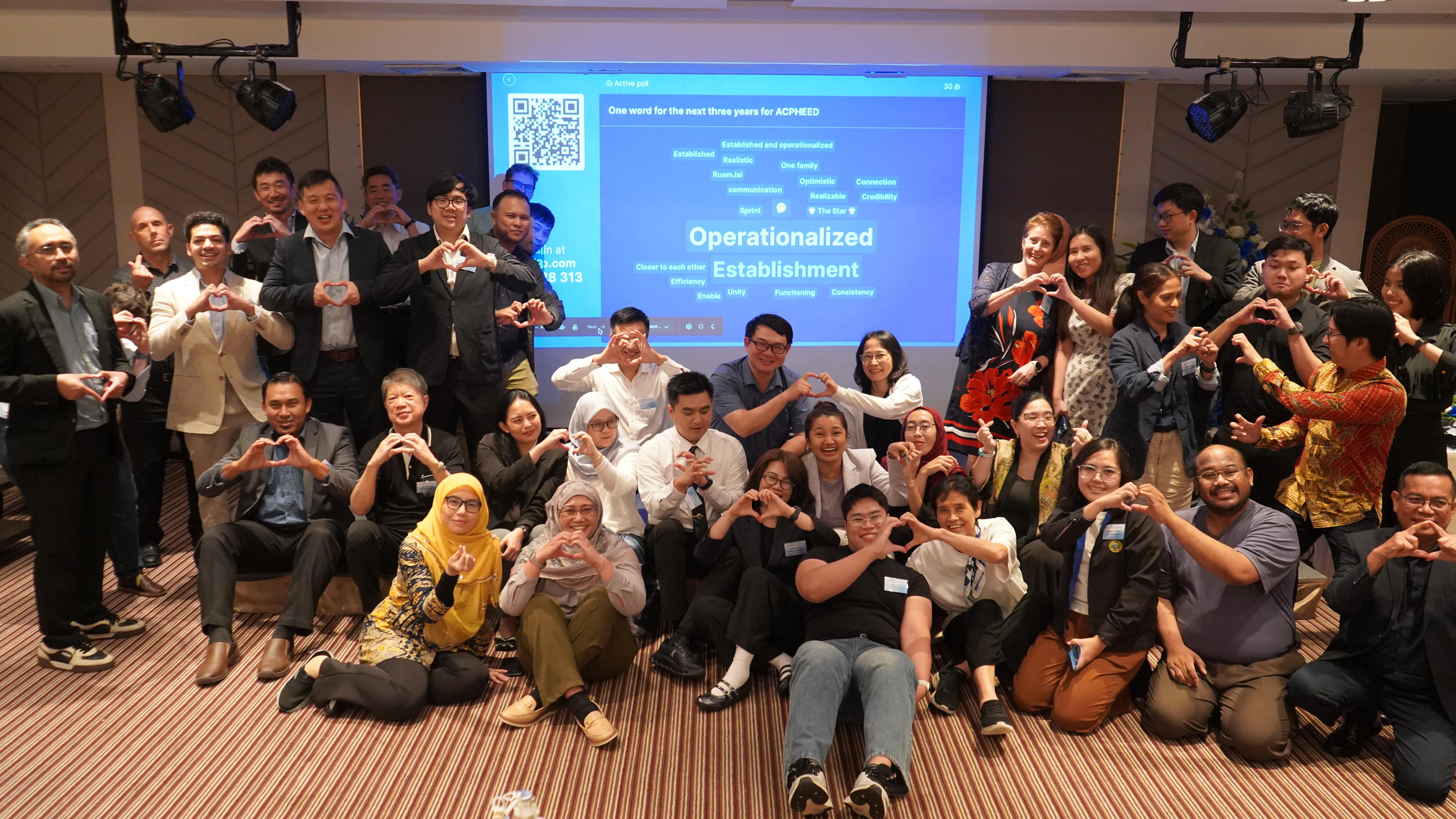
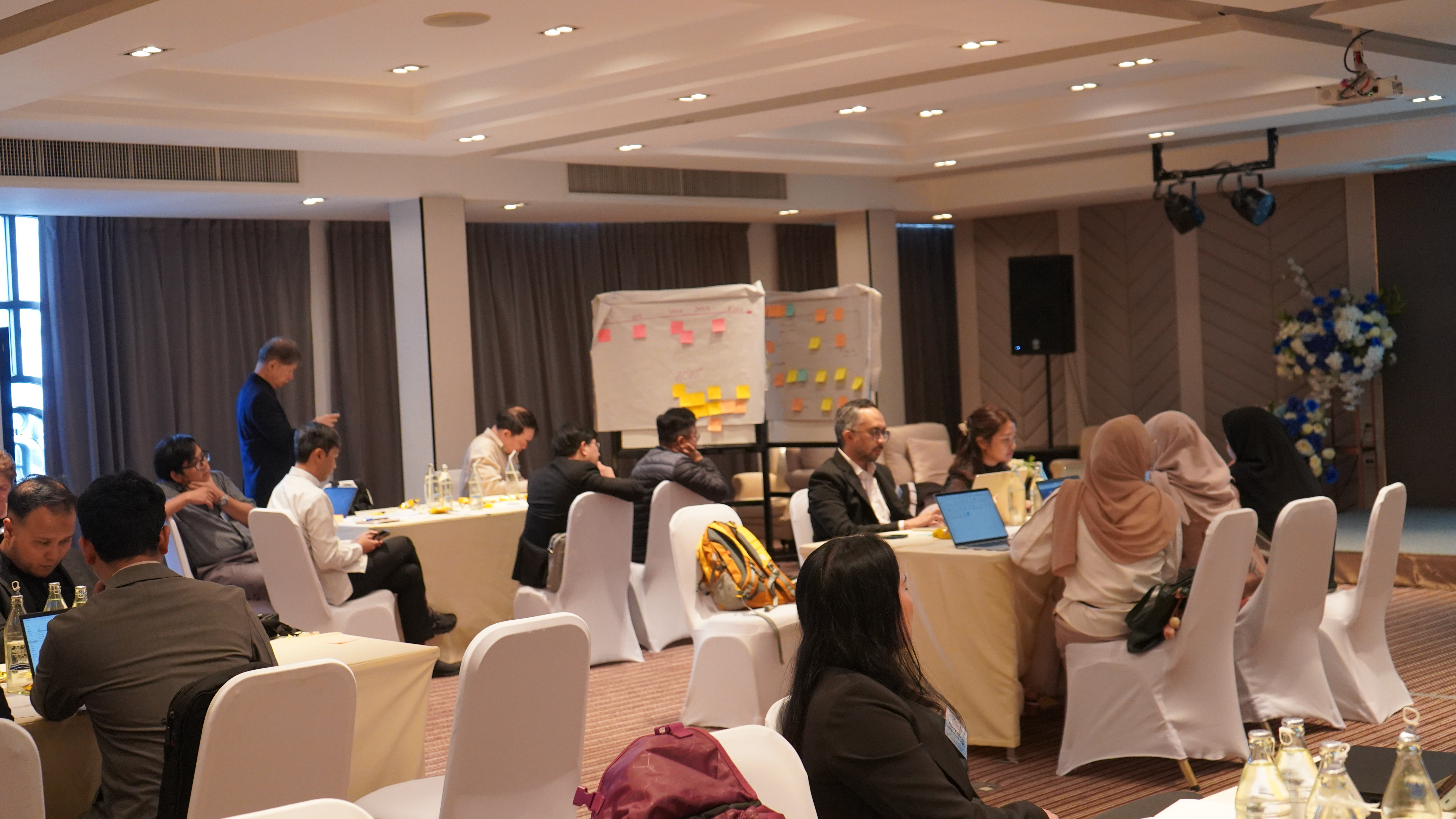
PHUKET, THAILAND – The Office of International Cooperation, Department of Disease Control (OICDDC), Ministry of Public Health, Thailand, in collaboration with the Interim Office of ACPHEED pillar for Response and Risk Communication (ACPHEED RRC), the US Centers for Disease Control and Prevention (US CDC) under the iEOC project, and the UK Health Security Agency (UKHSA), has announced a historic milestone in regional health security. The partners successfully concluded a milestone workshop, “ACPHEED RuamJai Exercise,” held from May 19 to 21, 2026, in Phuket. Bringing together all ACPHEED pillars across three host countries (Thailand, Indonesia, and Vietnam), the Secretariat, and regional health security networks, the workshop successfully addressed complex structural challenges and reached a consensus on a 3-year strategic action plan. This proactive framework leverages existing digital platforms and coordination mechanisms, enabling ACPHEED to immediately elevate transboundary emergency response capabilities under its current mandate without waiting for the official signing of the Establishment Agreement (EA).
Dr. Niti Haetanurak, Duputy Director General Of DDC, revealed that this workshop served as a historic platform that successfully dismantled past administrative silos. It brought together all distributed ACPHEED pillars: Prevention and Preparedness (Vietnam), Detection and Risk Assessment (Indonesia), and Response and Risk Communication (Thailand). Key regional networks also participated actively, including the ASEAN Secretariat, the ASEAN EOC Network, the ASEAN One Health Network, and the ASEAN Biological Threats Surveillance Centre (ABVC), to transparently address operational realities and systematically plan future operations.
Dr. Suchada Jiamsiri, Director of OICDDC said that Currently, ACPHEED’s operational landscape faces significant structural challenges because the Establishment Agreement (EA) remains in the signing process. Operating under a "Distributed Model" across three countries has created day-to-day coordination gaps, a lack of shared data platforms, and ambiguous activation triggers for transboundary health emergencies. To bridge these gaps, the meeting approved a 3-year action plan capable of immediate execution under the current mandate, focusing on three strategic pillars:
1. Standing Quarterly Coordination Mechanism: Regular quarterly joint meetings across all pillars to maintain technical and policy continuity.
2. Shared Information Platform: Developing a centralized data repository and platform to foster real-time, shared situational awareness.
3. Proactive Strategies and Alert Systems: Establishing clear activation triggers, standardized model agreements for specimen transfers, and a regional framework for infodemic management.
“The most significant takeaway from this meeting is the proof that operational readiness for health security can be built right now, even before the legal establishment is finalized. We will use the lessons from the ACPHEED RuamJai Exercise as a blueprint to connect and adapt existing mechanisms efficiently—focusing on bridging systems rather than building redundant infrastructure. When the EA is officially signed, ACPHEED will immediately transition from a 'waiting mode' into a fully operational, world-class center of excellence and emergency response unit,” Dr. Suchada concluded.




ที่อยู่
:
อาคาร 11 ชั้น 4 กรมควบคุมโรค 88/21 ถนนติวานนท์ ตำบลตลาดขวัญ อำเภอเมือง จังหวัดนนทบุรี 11000
โทรศัพท์ 0 2590 3832, 0 2590 3836
แฟกซ์ 0 2590 3250
Email : [email protected]